
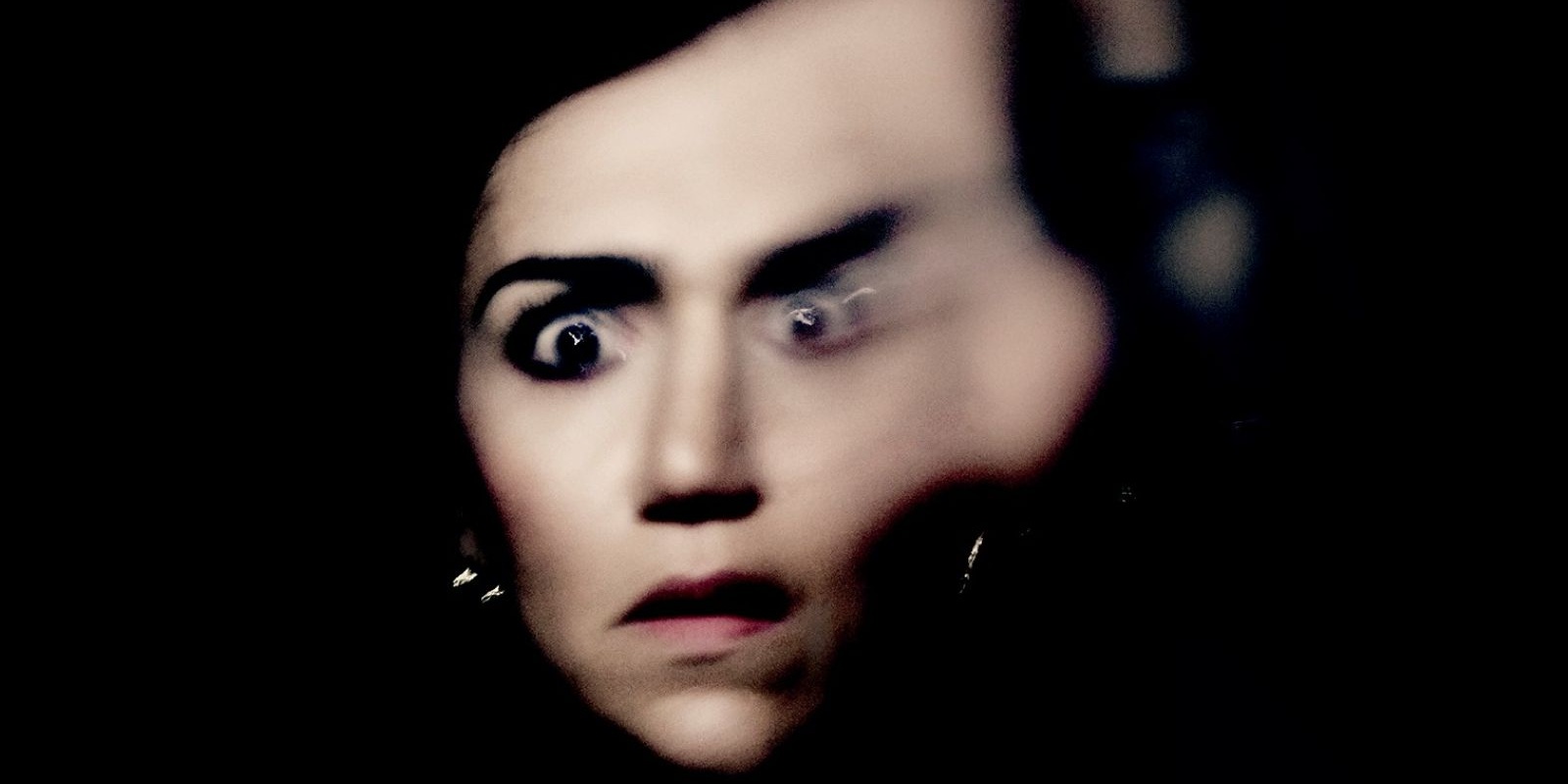
Stage and screen actor Bijan Daneshmand on starring in Under the Shadow, Almeida Theatre’s stage adaptation on Babak Anvari’s feature film he also starred in.
After starring in Babak Anvari’s 2016 BAFTA-winning film Under the Shadow, Bijan Daneshmand is part of the cast that will bring the story to the Almeida Theatre this summer.
They travel on the wind, just like that missile, and they only land once they find someone to possess.
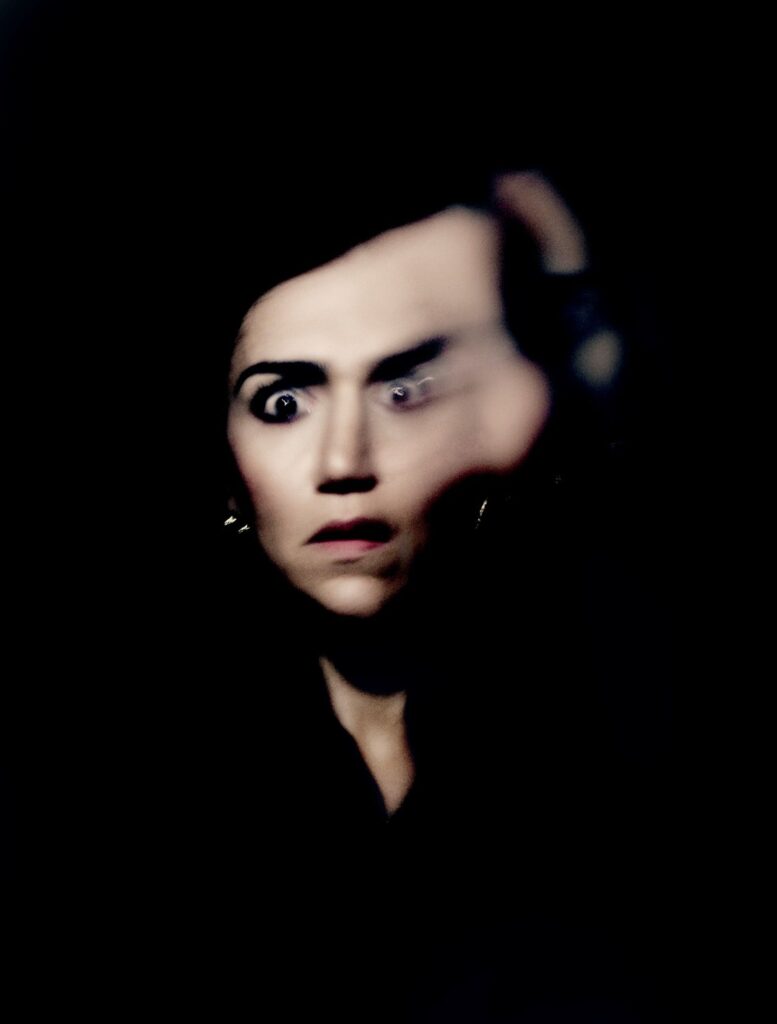
When Shideh’s husband is conscripted to serve on the frontline, she is left alone with her young daughter as Tehran is bombed. As the missiles strike, something more ancient and malevolent is carried on the wind.
The world premiere adaptation, set amid the 1980s Iran-Iraq War, explores the boundary between the rational and the irrational, and the question of whether to leave or stay.
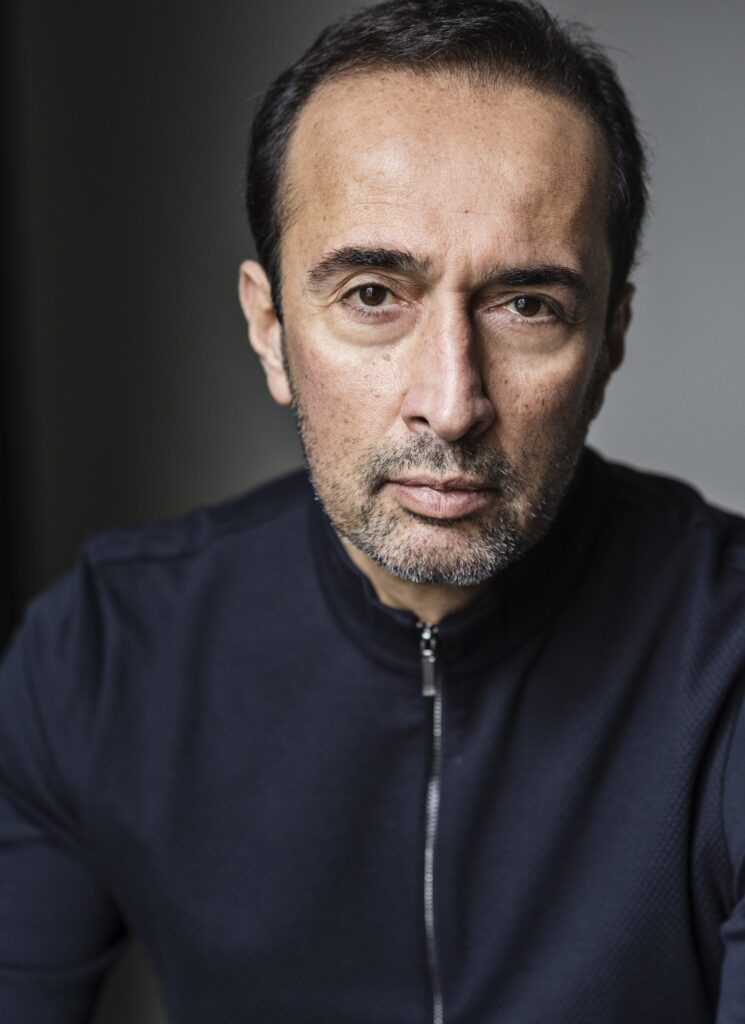
Reimagined by Carmen Nasr and directed by Nadia Latif, the cast is led by Leila Farzad with Daneshmand, Nadia Albina, Souad Faress, Mona Goodwin, Nicholas Karimi and Rachid Sabitri.
Here, Daneshmand speaks to The Theatre Playbook about joining the production and reuniting with Anvari’s work and explains how the story has been updated and why he is looking forward to the stage adaptation.
Please introduce us to Under the Shadow.
Under The Shadow, the play, is an adaptation of the feature film made in 2016 by Babak Anvari. Set in 1980 Tehran, during the Iraq-Iran war, it is a psychological horror. Babak received a BAFTA.
Who do you play and what can you tell us about the character’s role in the story?
I play two parts, one of Mr Bijari, an elderly man almost 80 years old, and the Director at the university, a man in his 40s.
You previously appeared in Babak Anvari’s original film. Why did you want to return to this story for a stage adaptation?
Yes, I was in Babak’s original film about 10 years ago. Theatre is something else. It is live, and different at every performance. It is fleeting, ephemeral. I am looking forward to the stage adaptation. The play looks at mother-daughter relationship, women’s rights in 1980’s Iran patriarchy and our connection to the supernatural.
How has the story been updated for contemporary audiences?
At the time of its release, 2016, the film was set in Tehran of 1980. The film was popular with contemporary audience. The adaptation is based on the original screenplay, with some [changes]. Although set in Iran, the story is universal.
What are the major themes of the play and how are they explored through the story?
The major themes are wartime trauma and fear, misogyny, the symbolism of the Djinn, identity, oppression. The Djinn is a metaphor for the protagonist’s struggles.
How does the story reflect or discuss current real-world events?
The play explores what it means, how it feels, to live in a state of conflict, and in that sense its themes have always been relevant.
How are you working with director Nadia Latif and fellow cast members at this time?
It has been an exploration, and with a sense of curiosity working with Nadia. She researches deeply, and takes an authentic approach, valuing good story telling, truth, together with dramatic effect. The cast members are working together, all highly interested and totally committed.
How do you like to balance your screen work with stage performances. Do you find any difference between the mediums?
The ideal situation is to have both screen and stage work. Difference in the mediums – yes. In general, in theatre one has to research and rehearse more, get deeper. On screen, it is more intimate with close ups, whereas on stage there is more projection. On the screen we can make retakes. On the stage it is live, there and then.
What kind of prep are you doing ahead of the show’s opening?
We are exploring and experimenting with many ideas, and choices during the rehearsals.
What can you tell us about how the show will be performed at the Almeida? Is there a way to keep the film’s suspense on stage?
The production will use various techniques, including stage, sound and lighting, to mimic the horrific experience of living under missile bombardment.
What can audiences expect?
An amazing story, with moments of horror that will really scare you. A visceral, tense experience, with supernatural elements.
What are you working on next?
I am in a Channel 4 political thriller. Also, later this year, I am due to start work as a cast member in a feature film in the US.
Under the Shadow plays Almeida Theatre from June 2 – July 4, 2026. Tickets here.
Top image: Almeida Theatre, Under the Shadow, Leila Farzad, photographed by Nadav Kander (image supplied)